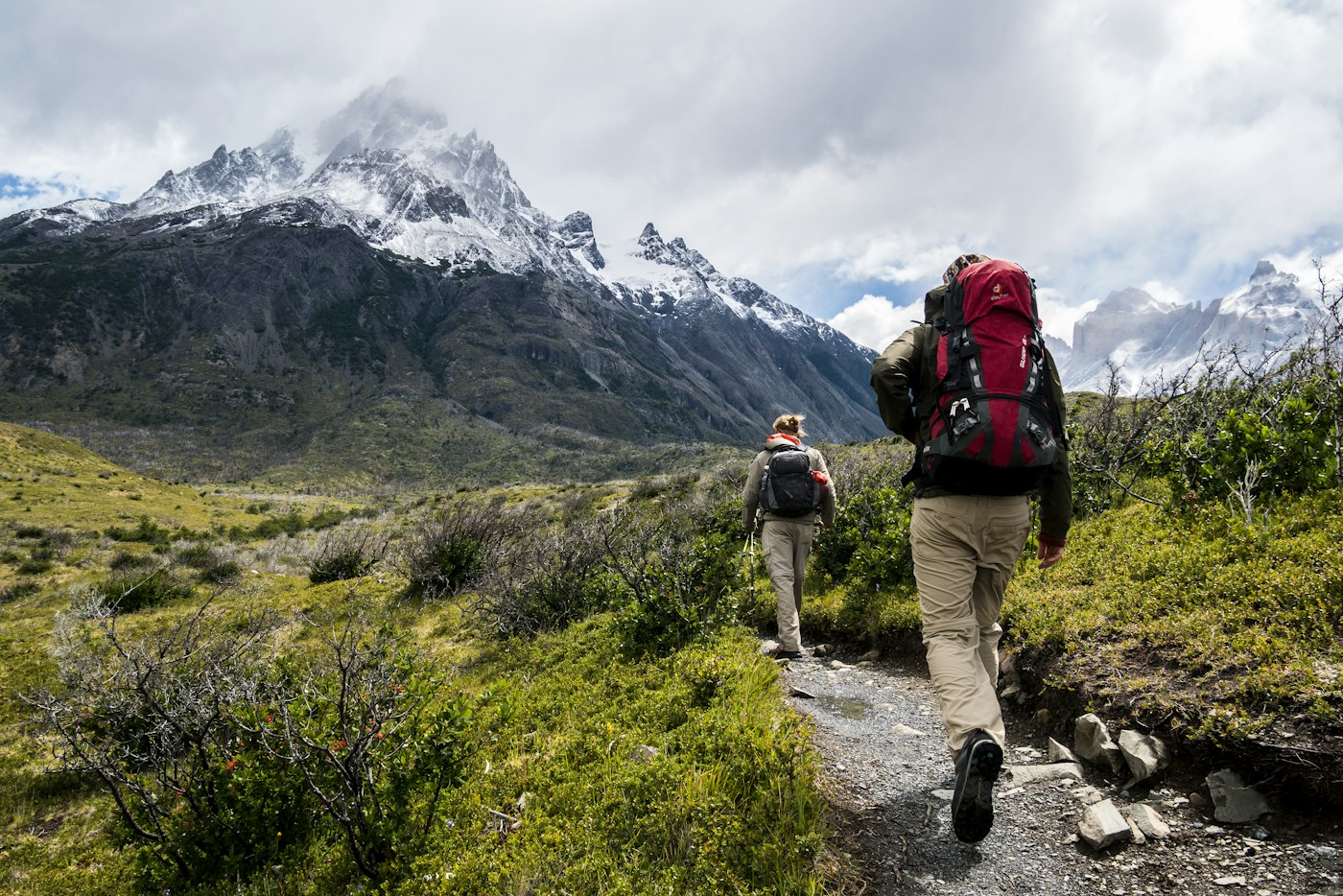
Our Story
This began with a simple observation: most people who say they love nature have spent remarkably little time genuinely alone in it.
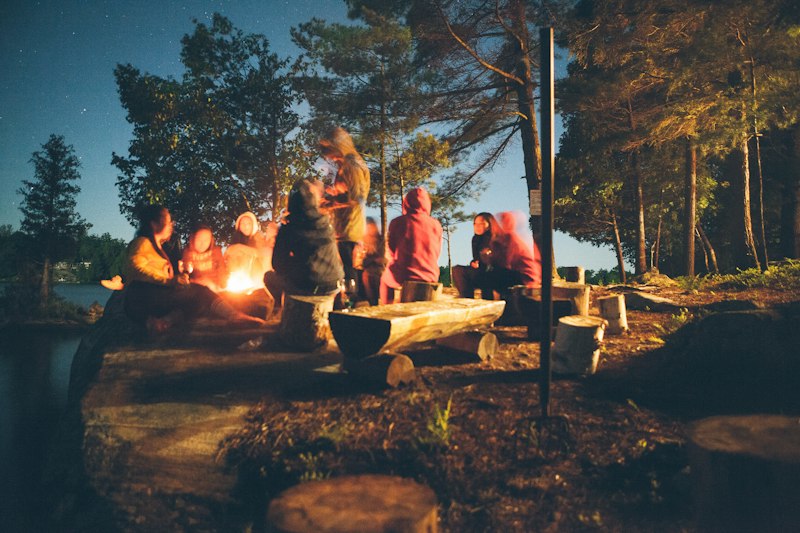
In 2009, after years working as park rangers and environmental educators, three of us sat around a campfire in Algonquin Park discussing this paradox. We'd seen thousands of visitors pass through, but few who truly stopped. They were racing to the next lookout point, worried about making it back before dark, anxious about cell service.
What if we built something different? A way to guide people not just through landscapes, but into a different relationship with them entirely.
How We Work
Small Scale, Deep Impact
We run fewer than thirty expeditions per year. This isn't a volume business. Each trip requires extensive preparation—scouting routes weeks in advance, coordinating with land managers, ensuring wildlife activity patterns align with our planned movement.
Our maximum group size is eight participants. This allows for genuine wilderness experience while maintaining safety and minimizing environmental impact. You're never waiting in line to view a waterfall or jockeying for position to photograph a sunset.
Knowledge-Based Guiding
Every guide holds multiple certifications—wilderness first responder, Leave No Trace master educator, swift water rescue. But credentials are baseline. What matters is lived experience in these ecosystems.
Our team includes a mycologist who can identify over three hundred mushroom species, a former wildlife biologist who spent a decade studying wolf pack dynamics, and an Indigenous elder who teaches traditional navigation techniques using stars, wind patterns, and animal behavior.
Flexible Routing
We publish general itineraries, but the actual day-to-day route adapts to conditions. If a rare bird species is nesting nearby, we adjust our path to observe from a respectful distance. If weather makes a planned ridge traverse unsafe, we have alternative routes prepared. This requires deep familiarity with the terrain—the kind you can't get from maps alone.
Educational Foundation
These aren't purely recreational trips. Each expedition has a learning framework. You'll understand how glacial activity shaped the valleys you're walking through. You'll learn to read topographic maps and use them to predict where wildlife congregates. You'll discover why certain plant communities thrive in specific microclimates.
We partner with university researchers who sometimes join expeditions to conduct fieldwork, giving participants exposure to active scientific inquiry in real time.
Who Guides You
We don't believe in the guru model where one charismatic personality defines the experience. Instead, most trips are led by pairs of guides with complementary expertise. You might have a geologist and a wildlife tracker, or a botanist and a wilderness survival instructor.
All guides have spent minimum five years working in Canadian backcountry environments. Several are published researchers. One spent eighteen months living in a remote cabin conducting bear behavior studies. Another worked for a decade as a search and rescue coordinator.
They're not performers. They're teachers who happen to be excellent at keeping you safe and comfortable while you learn.
Environmental Responsibility
We operate under permits that strictly limit our impact. All waste is packed out—literally everything, including organic material in sensitive ecosystems. We use established campsites where they exist and practice dispersed camping techniques in areas where concentrated use would cause damage.
A portion of every expedition fee supports conservation organizations working in the regions we visit. Over the past decade, this has contributed over CAD 180,000 to land protection, wildlife corridor preservation, and Indigenous-led stewardship programs.
We also refuse certain bookings. If you want to summit a particular peak during nesting season, we'll explain why that's not possible and offer alternatives. Our responsibility to the land precedes our responsibility to customer preference.
What Sets This Apart
The commercial outdoor industry has largely become a gear-marketing machine. Buy the right jacket, the right boots, the right GPS device, and you'll have an authentic experience. But authenticity isn't purchasable.
It comes from time. From sitting still long enough to watch how light changes on water throughout the day. From learning to identify animal tracks and understanding the stories they tell about movement patterns and social structures.
We're not anti-technology or romanticizing hardship. We use satellite communication for safety, modern fabrics for comfort, and evidence-based practices for low-impact camping. But we're deliberate about what we bring and why.
The result is something increasingly rare: space to think without distraction, move without hurry, and experience landscapes as dynamic living systems rather than scenic backdrops.