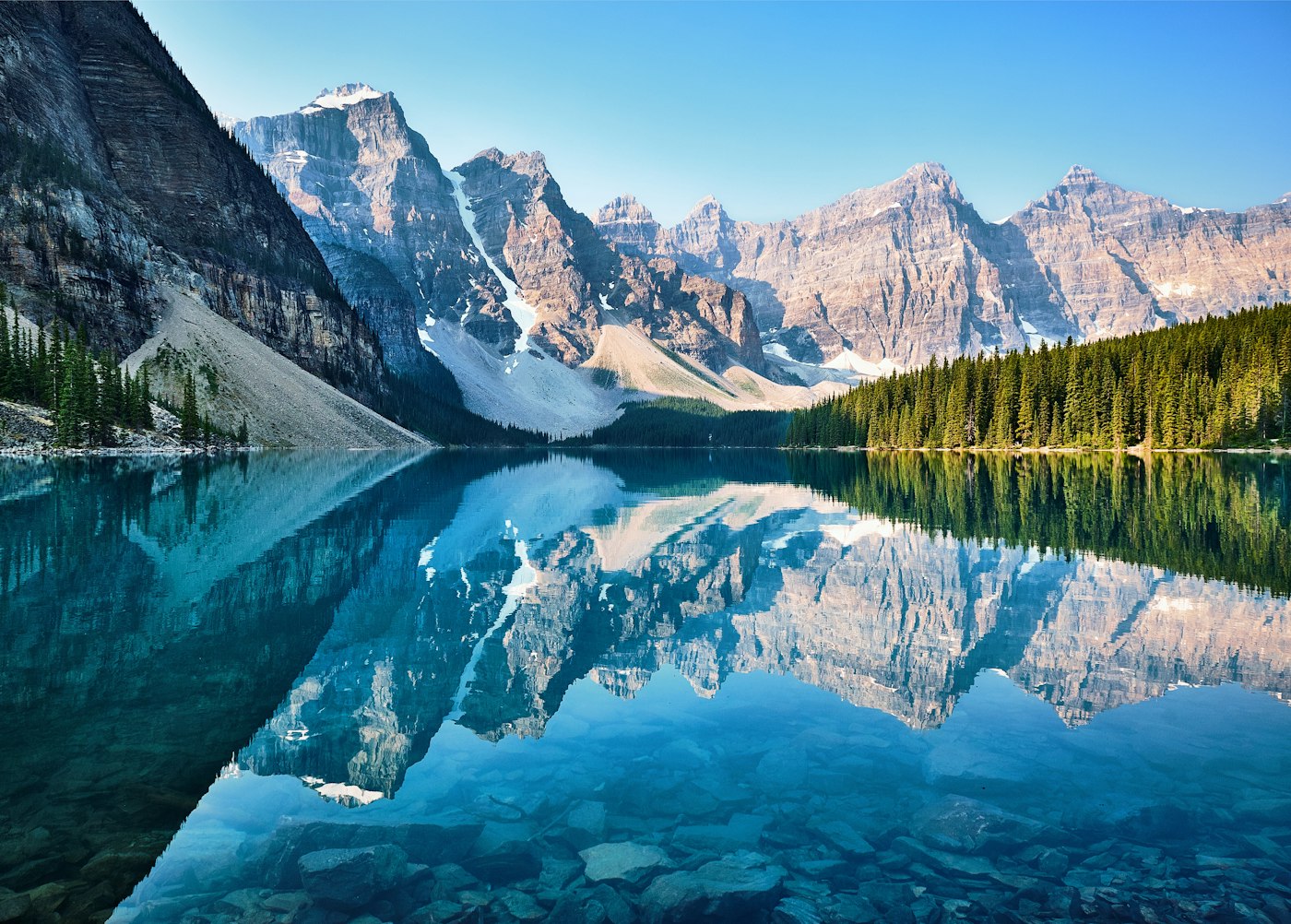
There exists a kind of silence that only vast landscapes can offer. The sort that settles into your bones after hours beneath open sky, where the only soundtrack is wind through pine needles and the distant call of loons across still water.
Most travelers pass through Canada seeing postcards. They stop at viewpoints, snap photos, and move on. But what if you stayed long enough to watch the light change? Long enough to understand why the Indigenous peoples have called this land sacred for thousands of years?
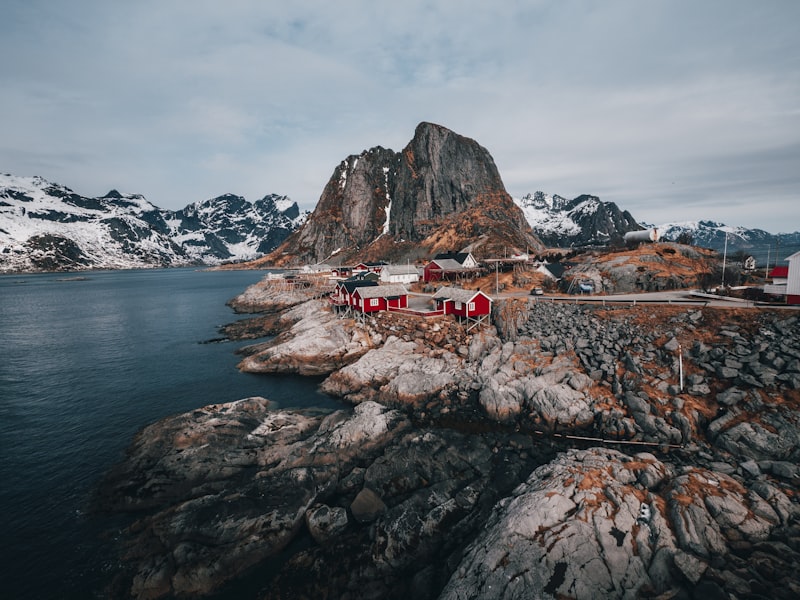
We've spent fifteen years learning where the caribou migrate, which valleys hold the oldest cedar groves, and which hidden lakes reflect mountains so perfectly they dissolve the boundary between earth and sky. This isn't a business built on itineraries. It's built on knowing where to stand when the morning mist lifts off Georgian Bay.
The Disconnect Between Travel and Experience
Tourism has become transactional. You book a package, follow a guide, take photos at designated spots, and leave with the vague sense that you've seen something but haven't quite felt it.
The issue isn't the destinations themselves. Canada offers some of the most profound natural beauty on the planet. The issue is how we've been taught to consume it—rushed, surface-level, filtered through someone else's predetermined route.
What changes when you stop treating nature as a backdrop and start treating it as a teacher?
We began asking this question after watching countless visitors spend more time setting up tripods than sitting quietly. After seeing people more concerned with Instagram angles than noticing the actual play of light on water. There had to be another way.
A Different Kind of Journey
Our approach strips away the noise. Small groups—never more than eight people. Guides who've lived here, not memorized scripts. Routes that follow wildlife patterns and weather, not rigid schedules.
You might spend an entire morning sitting beside a beaver dam, watching a family at work. Or you might hike twelve kilometers because the wildflowers are blooming in a meadow that only appears on old forestry maps. The itinerary bends to what the land is offering that day.
This philosophy extends to how we move through these spaces. No motorized vehicles beyond the trailhead. We carry what we need, leave no trace, and camp where Indigenous guides have shown us it's respectful to do so. Your footprint is literal, measured in boot prints on moss, not carbon emissions.
Built on Decades of Deep Knowing
"I've traveled extensively, but this was the first time I felt like I actually understood a place rather than just saw it. The guide knew the name of every bird call, every plant. We sat in silence for an hour watching a mother bear teach her cubs to fish. I'll never forget that." — Rebecca T., Toronto
Our team includes certified wilderness guides, wildlife biologists, and Indigenous knowledge keepers. Some have spent forty years in these ecosystems. They know where the rare orchids bloom in late June, which routes the wolves prefer in winter, and how to read weather patterns three days out by watching the behavior of ravens.
This expertise isn't performative. It's functional. It's what allows us to take you safely into backcountry areas that most tour operators won't touch. It's what keeps our groups small, our impact minimal, and our experiences profound.
"My teenage son, who normally has headphones glued to his ears, spent three days without his phone and didn't complain once. He said it was the best trip of his life. That alone was worth everything." — David M., Vancouver
Available Experiences
Each journey is designed around a central question or theme. You're not just hiking—you're learning how glaciers shaped these valleys. You're not just canoeing—you're understanding how waterways connected nations for millennia.
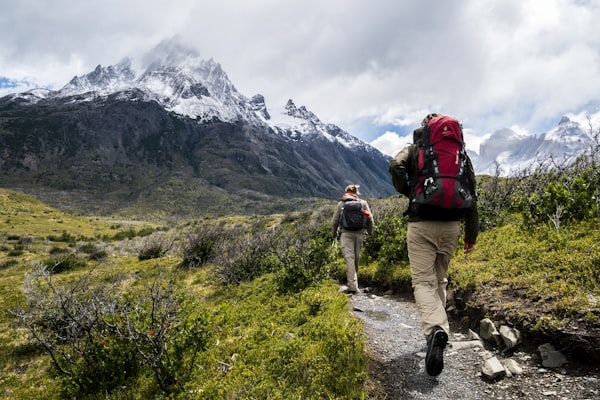
Ancient Forest Immersion
Four days among old-growth cedar groves on Vancouver Island. Learn forest ecology from a botanist while camping beside salmon streams. Limited to six participants.
CAD 1,847.50 per person
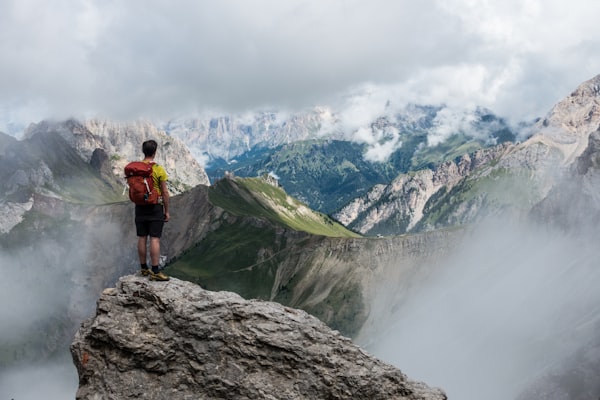
Northern Waterways Expedition
Six days navigating lake systems in Yukon Territory. Follow routes used by trappers and traders for centuries. Includes all equipment and backcountry permits.
CAD 2,395.00 per person

Alpine Ecology Study Trek
Five days in the Canadian Rockies learning how life adapts above the treeline. Wildlife tracking, geological history, and high-altitude camping. Moderate fitness required.
CAD 2,120.75 per person
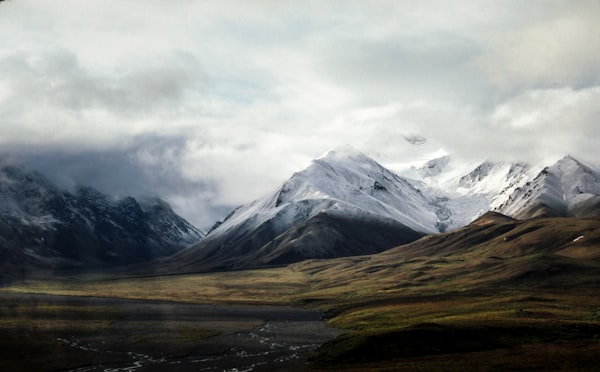
Coastal Wilderness Navigation
Three days on the Pacific coastline of British Columbia. Sea kayaking, tide pool exploration, and traditional Indigenous fishing techniques. All skill levels welcome.
CAD 1,562.25 per person
What You Take Home
These trips don't end when you return to your car. Participants report changed relationships with their local parks. They notice things they used to walk past—the way moss grows differently on north-facing rocks, the return patterns of migratory birds. One woman told us she now takes her coffee outside every morning just to listen.
That's the real measure of success. Not the photos you took, but the quality of attention you developed. The way a week of silence recalibrates what you thought you needed from constant stimulation.